Comps research
What the nearest games in your genre actually earned — the ceiling and the floor, before you pay for either.
Industry
Games are the hardest software we make. We've shipped seven - so we know the whole road, from idea to app store.
Our own titles
Every piece of art on this page shipped inside one of our own games — led by Ashfall Kingdoms, the strategy title whose titan holds this wall. Seven games, designed, built, and published in-house.
Shipped, not mocked up
Strategy, detective noir, fishing, a merge battler, a dungeon crawler, arena tactics, a pedometer RPG — every one designed, built, and published in-house. These frames are live gameplay, not renders — the mileage behind the pitch.
Mid-match - holding lanes against a push
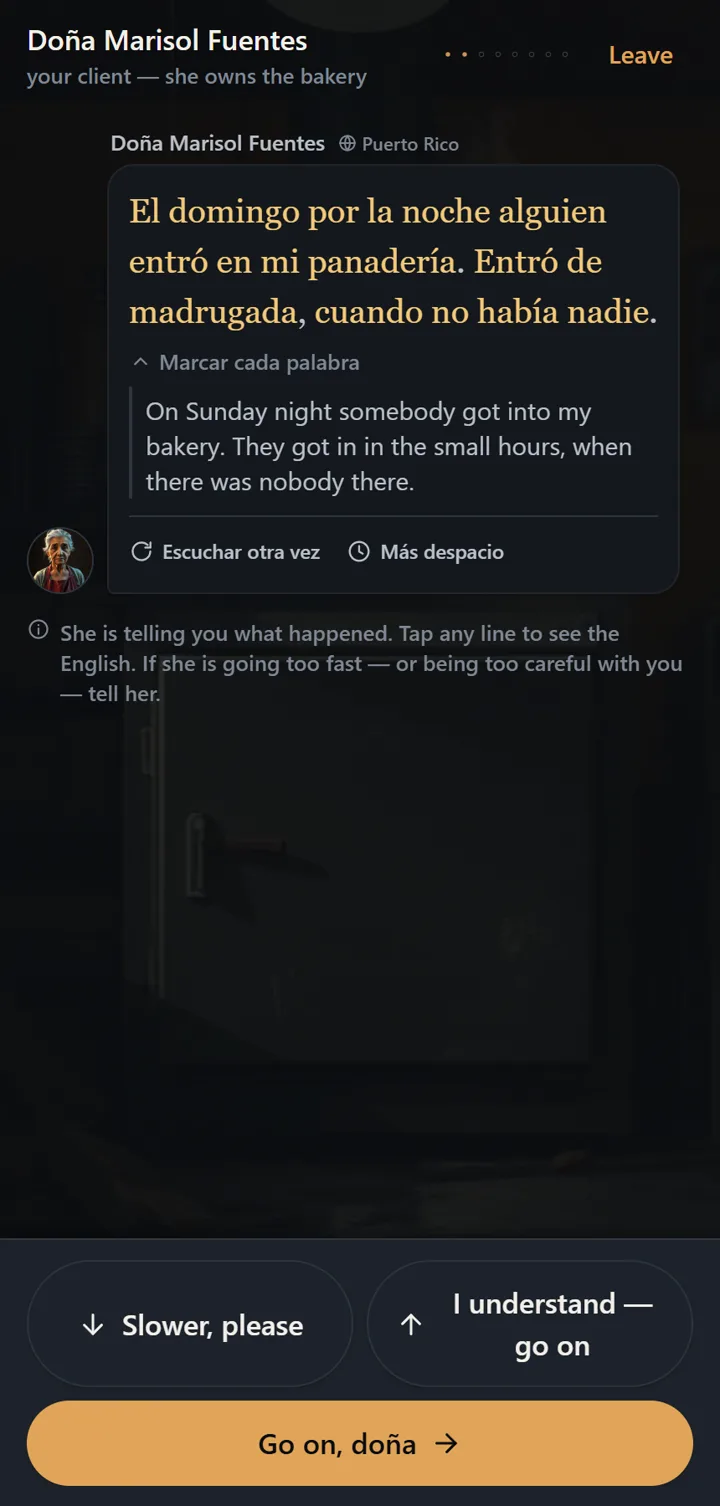
An interrogation, half in Spanish
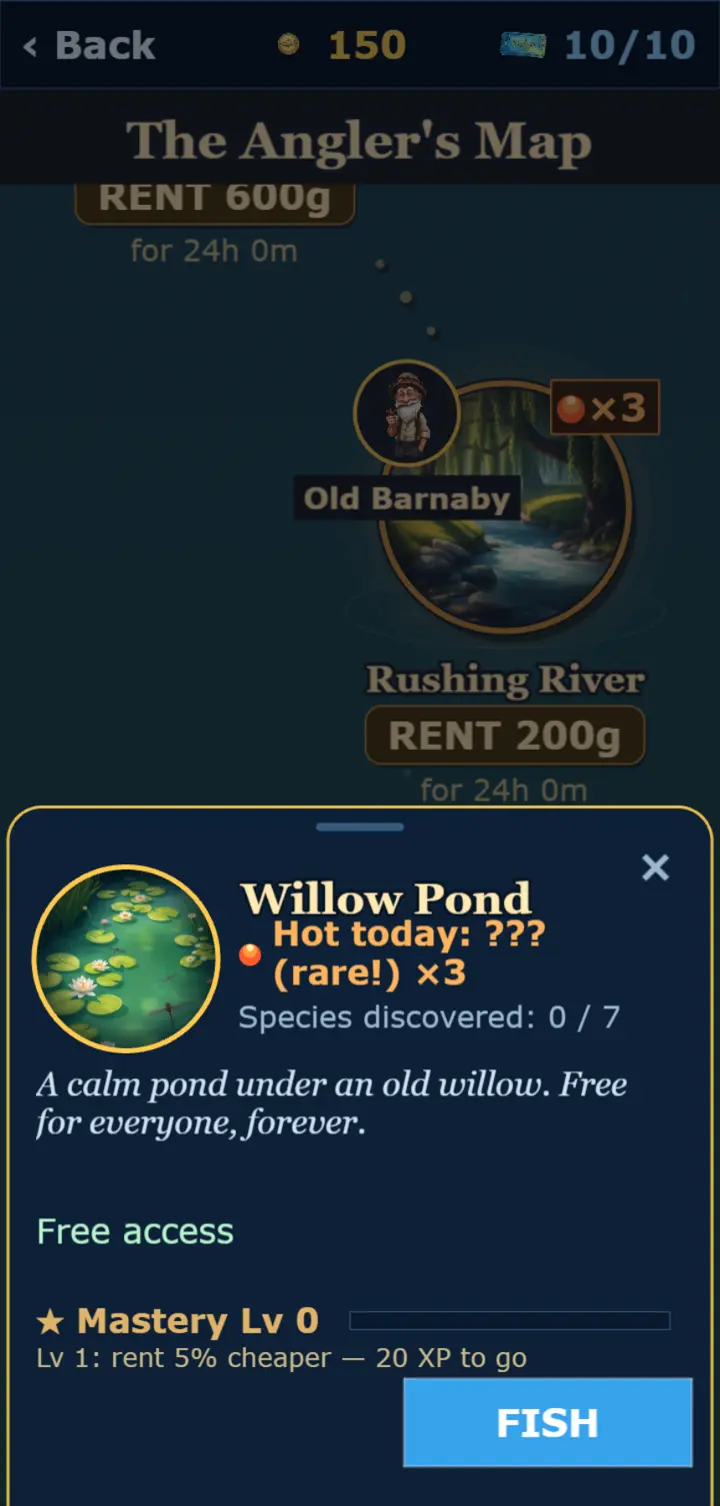
Casting into the starter pond
The merge board mid-fight
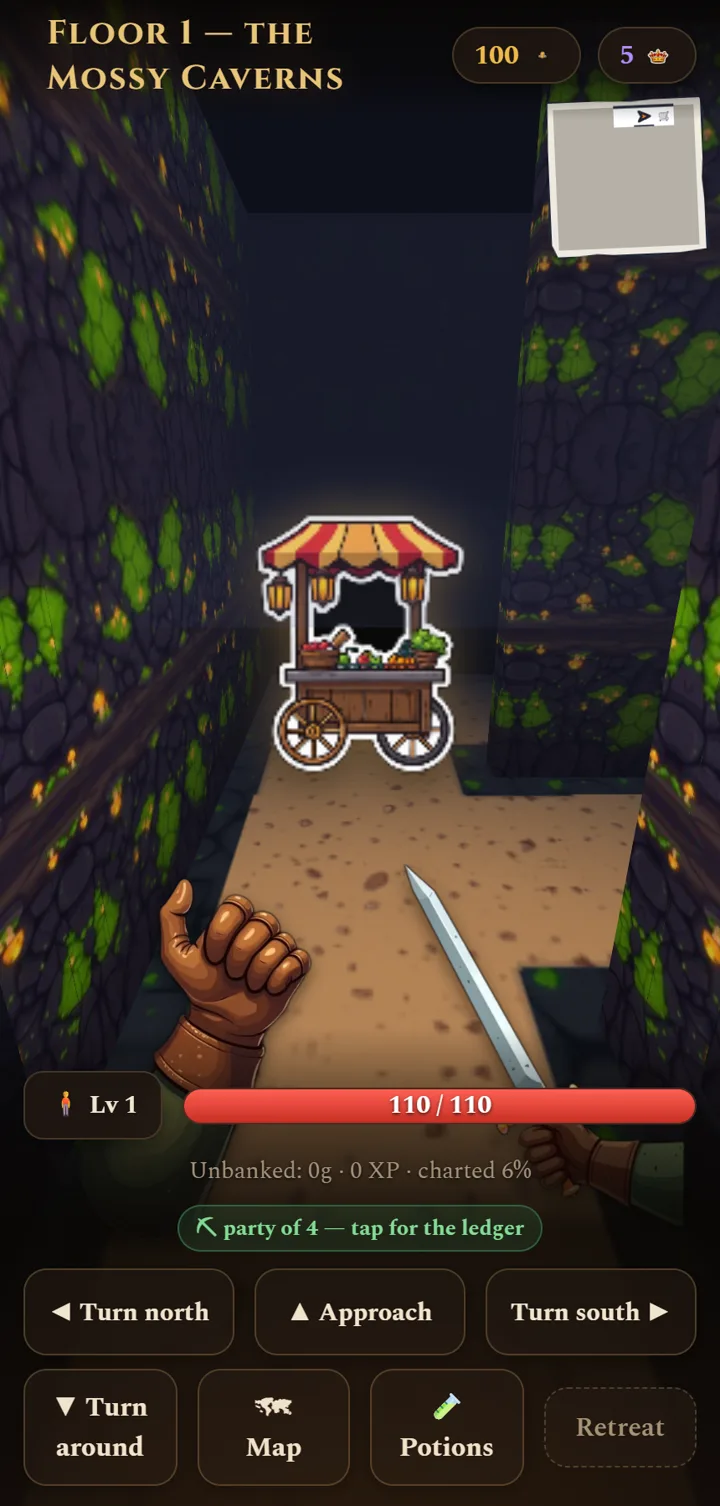
Sword out, one room from the merchant
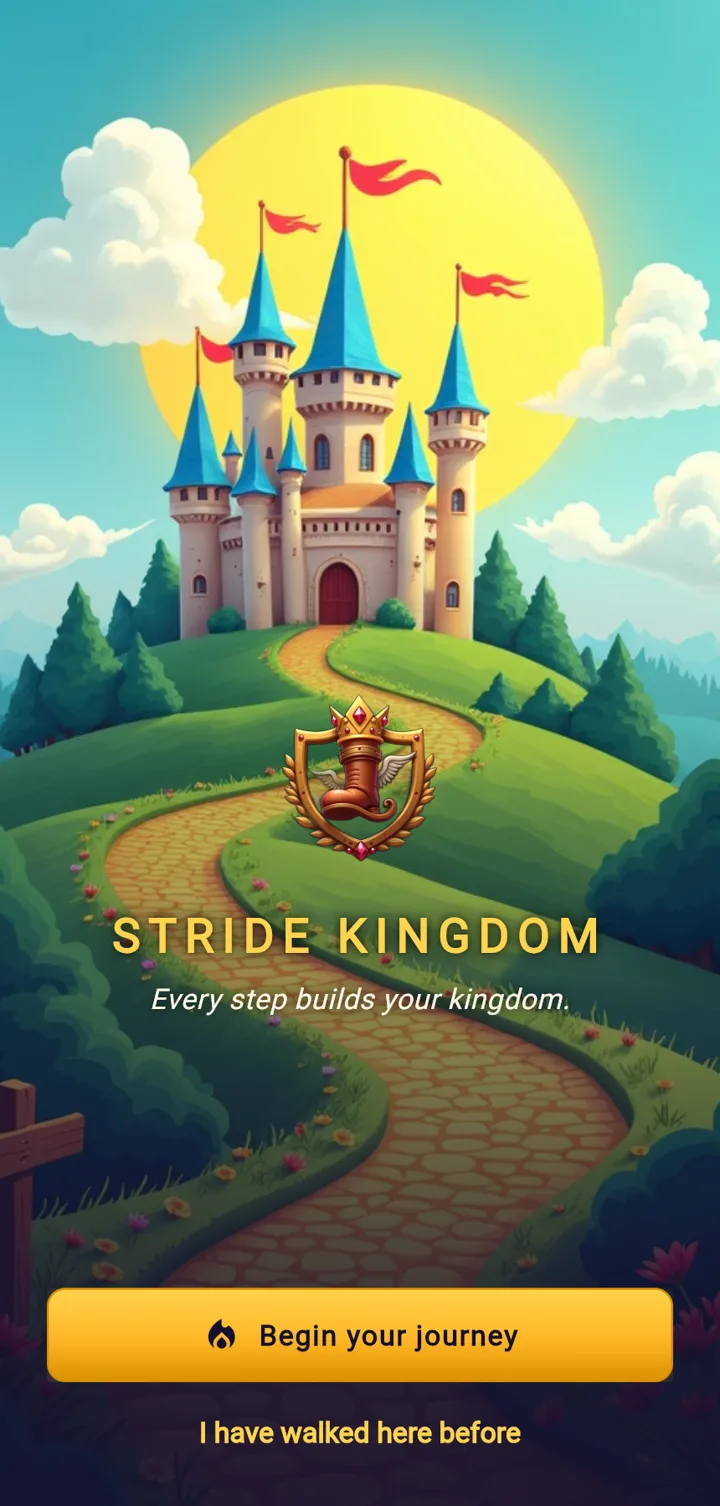
The gates of Embervale - every step counts
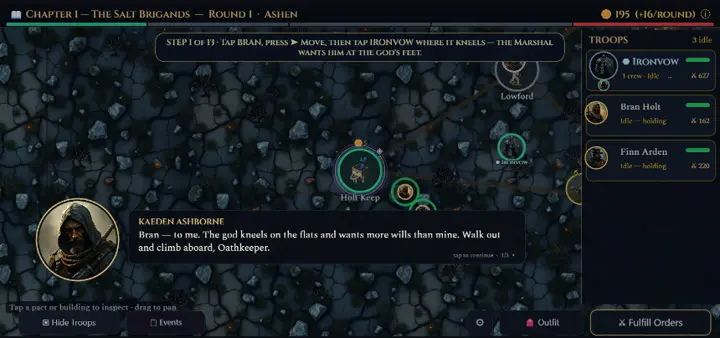
Chapter 1 - the guided march on Holt Keep
Every shipped game clears the same gates. We cleared them with our own titles — and we know the way through each one.
Before a line of code
Everyone you know will say your idea is great. None of them have seen a number. Validation is a short, cheap stage that puts one in front of you — before build money is spent.
What the nearest games in your genre actually earned — the ceiling and the floor, before you pay for either.
The core loop in plain shapes, in weeks. If it isn’t fun gray, art won’t save it.
Friends are kind; strangers churn. We watch people who owe you nothing try to put it down.
Cost to build against what it could earn, and our honest read. A “no” here is cheap. The same “no” two years in is ruinous.
The cheapest game we ever made is the one we advised a client not to build.
The road, named
The surprise isn’t that games are hard. It’s that marketing starts before development does — wishlists and followers are the only pre-launch numbers that pay.
Comps, genre ceiling, session model. Go or no-go — with a number.
Find the fun in weeks, not years — and kill it cheap if it isn’t there.
The game’s page goes live before the game does. Wishlists start banking on day one.
Devlogs, GIFs, playtests. An audience that forms while you build is marketing you don’t have to buy.
A small market first — real retention numbers before a dollar goes to ads.
Creators, festivals, press kit — timed to land in one loud week, not dribbled across a year.
Updates, events, seasons. Launch day starts the revenue curve; it doesn’t end it.
Ask us what an ad actually pays
Our own titles run these models right now. The advice isn’t from a blog post — we can show you the dashboards.
One price, whole game. Clean, honest — and the hardest sell to strangers. Works when the first minute sells the rest.
Rewarded video — ads players choose to watch — pays real money. Careless interstitials pay pennies and cost you players.
Only a few percent of players ever buy — the design has to earn that purchase without punishing everyone else.
Ads for the many, purchases for the few, one economy that respects both. How most small mobile games actually survive.
The model isn’t a preference — it’s matched to your genre and session length at the validation stage, so the game is designed to earn from day one.
How we build it
We've shipped seven of our own games - from Ashfall Kingdoms, our flagship strategy title, to a Unity arena game, a detective game that teaches Spanish, and a pedometer RPG - across Android, iPhone, and the web. The design, the servers, the store listings, and the sites behind them. That end-to-end run is what we bring to a games project: the game, the backend it runs on, and the site that promotes it.
Every game shown on this page is our own title - designed, built, and published in-house.
We can tell you honestly what it would take - we've walked the whole road from prototype to published game. The first call is free.
Yes. The game, the backend it runs on, and the site that promotes it can all come from one team.
No two games are alike, so games are quoted per project. The first call is free and ends with an honest picture of the road.
Longer than a website - think months, not weeks. We map the milestones before we start, so you always know where you are.
That maze is exactly the part we've walked - Ashfall Kingdoms is live on Android, iPhone, and the web.
Both. Our seven titles span Android, iPhone, and the web - Ashfall Kingdoms alone shipped to all three.
Happily. A press page, a trailer, and store links - a game with nowhere to send players is a real problem, and a quick one to fix.
That's the first gate we run: what the nearest games actually earned, a graybox prototype, and playtests with strangers. You get a number and an honest go / no-go before build money is spent.
Before the game is built - that's not a typo. The store page and site go live first, so wishlists and followers bank while the game is made.
One price, ads, purchases, or a mix - matched to your genre and session length, not to preference. Our own titles run these models today, so the advice comes from dashboards, not blog posts.
Usually not at first. Publishers mostly sign games that already show traction - and validation plus a live store page costs far less than the revenue share they ask for.
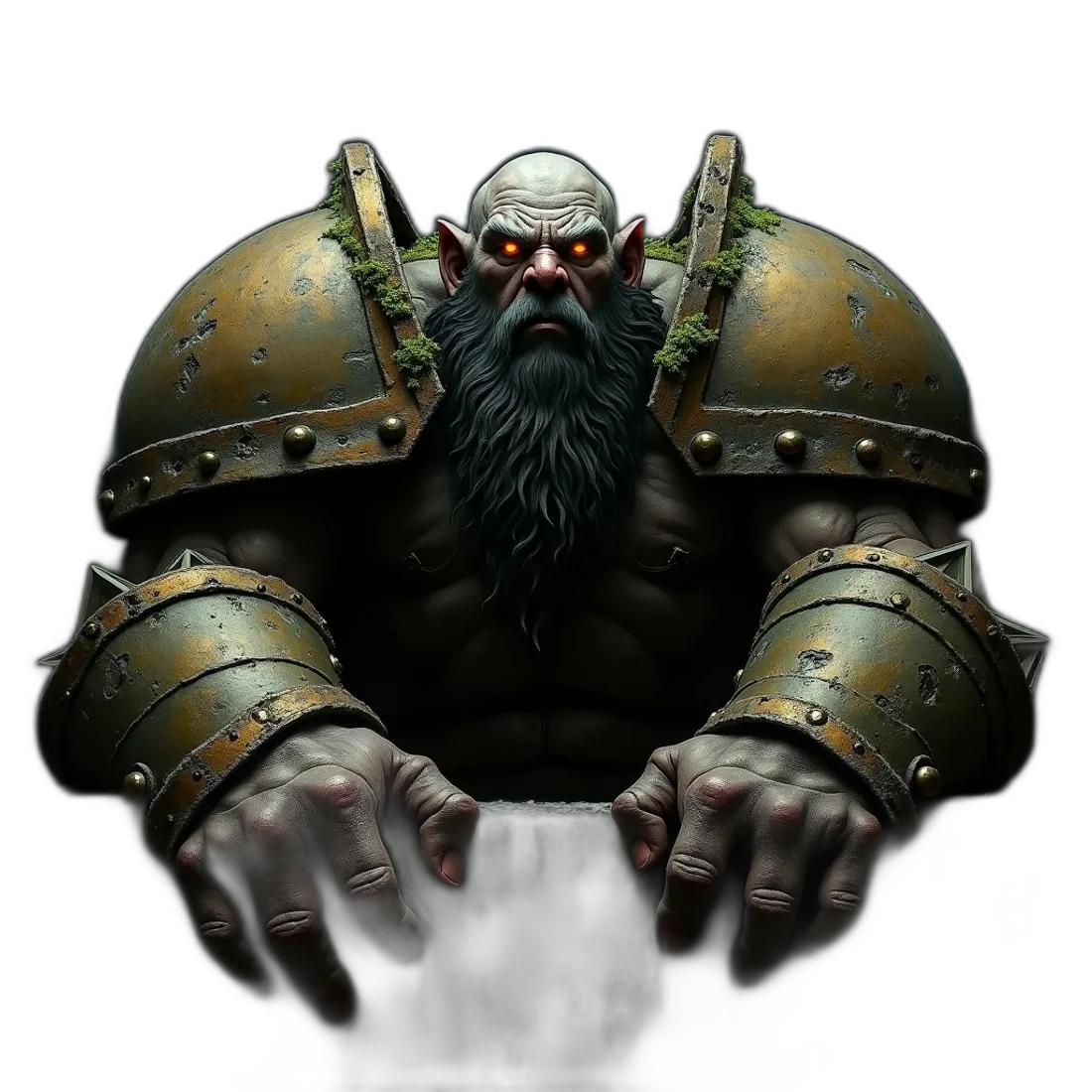
We've shipped seven games to Android, iPhone, and the web. We know every gate on that road.
The call is free. There's no pressure. And if we're not the right fit, we'll point you to someone who is.
“They really take care of their clients and help you figure out what your website truly needs without over or underselling you. I've talked with the owner several times and he is super kind, listens, and is extremely knowledgeable.”